Airports thrive on motion, but the smartest travelers learn to step out of the tide. Gatwick is no exception. Between the North and South Terminals, a well chosen lounge can turn a loud pre-flight whirl into a focused hour with a coffee and a view, or a genuine reset before a long international departure. Quiet is never an accident, though. It comes from layout, staffing, how a lounge manages capacity, and where you choose to sit once you are through the door. After dozens of departures from Gatwick over the years, I have come to trust a few consistent tactics and a handful of specific spaces when I need calm.
The anatomy of quiet at Gatwick
Silence is rare in airports, so it helps to understand what creates workable stillness. At Gatwick, steady background conversation and the occasional boarding call float everywhere. What you can control is distance from foot traffic, acoustic separation from bars and buffet stations, and the human choices around you. Lounges that carve out a quiet seating area away from the main bar usually feel calmer. Spaces with runway views often sit at the glass line, which is pleasant, but can also get busier during peak periods thanks to the scenery. More private work booths or library zones absorb sound better and suit anyone who wants a true pre-flight relaxation window.
A word on time of day. Early morning waves, roughly 5:30 to 9:00 a.m., drive the highest occupancy. Midday brings relief. Afternoons can tighten again with transatlantic and European departures. If you are aiming for a premium passenger experience with the smallest crowd, the 10:30 a.m. To noon window is often a sweet spot.
North Terminal: where peace hides in plain sight
The Gatwick Airport North Terminal Lounge scene offers several options. The trick is to pick the right one for your purpose, then handle the first five minutes inside with intent. I usually pause at the entrance map, look for the furthest corner from the buffet, and walk past the first cluster of seats. Everyone else stops there, which is why they are the noisiest.
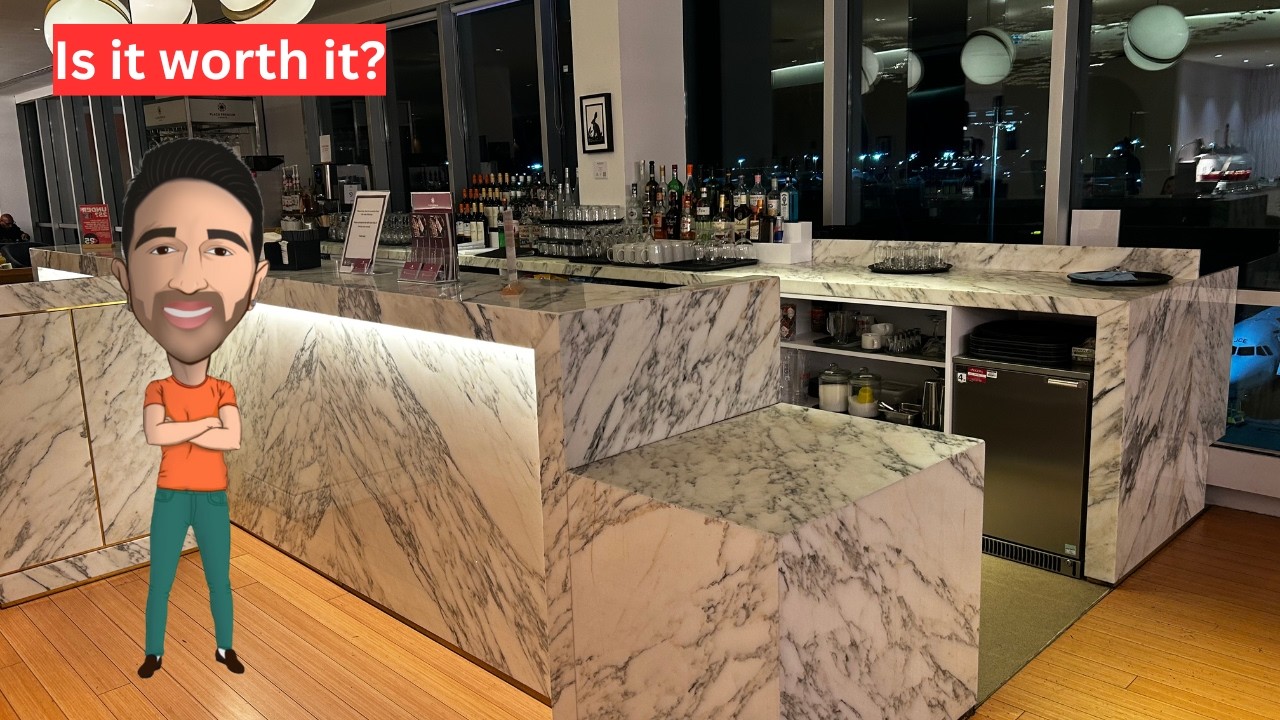
No1 Lounge Gatwick at the North Terminal feels designed for blended use. It has a central bar, a buffet dining lounge area, and, crucially, a few side rooms with lower lighting and banquettes where conversation tapers off. If a staff member offers a hosted table, ask to be seated as far from the bar as possible. No1 also tends to have a semi-screened workspace with charging stations. That is where I set up when I have emails to clear and I need a quiet seating area that does not feel like a glass box.
My Lounge Gatwick, also in the North Terminal, reads younger and more casual. Think sofas, social tables, and self-serve snacks. It is a relaxed airport VIP lounge in tone rather than hush, so if you want actual quiet, aim for the side benches near the windows and avoid the gaming or TV zones. The upside is that My Lounge often has capacity when other executive lounge options are waitlisting, and the complimentary Wi‑Fi is reliable for a fast download before boarding.
Plaza Premium Lounge Gatwick sits in the North Terminal departures zone and usually strikes the best balance between design and discipline. Plaza Premium tends to keep a close eye on capacity control, so it often feels calmer even when busy. The seating plan places soft chairs and two-top tables in a series of pods, which keeps noise from ricocheting. Charging points are abundant, and staff are quick to tidy. If you need something close to a library feel, check the back rows away from the bar and the entrance. Plaza Premium’s shower facilities lounge access varies by location and demand, so if a shower matters, ask at reception on arrival or when you make your airport lounge booking. I have managed to secure a slot mid-morning without trouble, but pre-6 a.m. Is hit or miss.
The Club Aspire Lounge Gatwick brand is better known in the South Terminal, but Aspire style generally favors zoning, with small nooks and working benches. If you encounter an Aspire-branded space in North through a partner or future expansion, apply the same principles: skip the first seating island and track along the perimeter until you hit a low-traffic alcove.
North Terminal runway views are at their best from the lounges that reach the glass. These panoramic seats are a joy for avgeeks and kids, yet they often bring a trickle of footfall as people come and go for photos. For a true quiet bubble, I pick a seat one row back from the windows. You still get the movement of aircraft without the parade.
South Terminal: a touch more bustle, but quiet is there
The Gatwick Airport South Terminal Lounge landscape includes No1 Lounge and Club Aspire Lounge Gatwick. South holds a steady underlying hum because it channels more short-haul leisure traffic, which can fill lounges with families in holiday mode. That does not mean you cannot find quiet. It just means you avoid the high tables nearest the buffet and steer clear of the big-screen TV.
No1 Lounge in South mirrors its North sibling: bar in the middle, buffet dining lounge zones, quieter alcoves off to the side. When staff are in seating mode, I request the library or study area, which has padded walls and less clatter from crockery. No1’s premium drinks selection is comprehensive enough if you want a pre-flight glass of wine without the pub crowd energy. They also typically run a timed seating policy, often three hours per entry, an important part of keeping noise contained as waves of passengers turn over.
Club Aspire Lounge Gatwick in the South Terminal is practical and often a touch quieter than No1 during shoulder times. If you are traveling for work and need airport business facilities, Aspire’s bench seating with power and a clear sightline to departure screens is useful. The best seats for peace are often the last row along the back wall, opposite the main food station. Here, you are far from cutlery trays and bar chatter, and you can see your flight without getting up.
If you travel with children, look for family-friendly lounge zones. South Terminal lounges sometimes signpost a small kids area with soft seating or media. The quietest move is to choose the opposite end of the space if you are alone, or embrace the family area if you have kids and want to let them decompress without worrying about looks from laptop users. Lounges are meant to serve both needs, and Gatwick’s better teams manage the balance with gentle reminders and quick cleaning, which helps everyone.
Choosing the right access path
How you enter can shape the experience. Priority Pass Gatwick coverage includes multiple lounges in both terminals, giving you a backup if your first choice is at capacity. That alone is a stress reducer on busy mornings. An airport lounge membership like Priority Pass or LoungeKey helps frequent flyers treat lounge use as routine rather than a splurge, and it works especially well for business class lounge overflow or when traveling economy on a tight schedule.
Day users have two options: pre-book a lounge day pass or attempt walk-up entry. Airport lounge booking usually opens weeks in advance, and pricing moves with demand. If you want quiet, booking for the time you actually plan to sit down prevents the last-minute search for seats while your flight clock runs down. Walk-up is sometimes cheaper during lulls but can backfire during holiday peaks. If you are connecting through Gatwick with an hour and a half to spare, a day pass booked for that window is worth it, both for certainty and for the calmer mindset.
If you are in a premium cabin or hold frequent flyer benefits with a partner airline, departure lounge access is straightforward, but do not assume your airline lounge is the quietest room in the terminal. On a few occasions, I have used airline status to enter one lounge, found it raucous, then used a membership to slip into a calmer partner space down the hall. Redundancy matters when your goal is peace.
A short field guide to quiet by terminal
Here is a quick reference I use when advising colleagues. It assumes typical operations and reasonable staffing. Always check current lounge opening hours on the day, since schedules shift with seasonal traffic.
- North Terminal quick pick: Plaza Premium for steady quiet, No1 Lounge for balanced service with side rooms, My Lounge if you value space over hush and can choose a tucked-away corner. South Terminal quick pick: Club Aspire for work-friendly calm during shoulder hours, No1 for a fuller hospitality feel with a request for the library zone. When both are slammed: use Priority Pass Gatwick to bounce between options, or skip to a quiet end of the terminal with a takeaway coffee and noise-cancelling headphones. If you need a shower: ask Plaza Premium first, then verify No1 availability and fees, since shower facilities lounge access can be limited at peak times. For runway views without crowds: select a second row seat behind the glass line and avoid the photo spots near corners.
Where the quiet seats hide once you are inside
Most lounges cluster noise sources. The bar, buffet, coffee machines, and dish return stations account for the majority of clatter. If peace is the aim, I do a quick scan, then anchor in a spot that lines up with three criteria: distance from machines, sightline to the departures board, and easy access to charging.
No1 Lounges at Gatwick usually set a semi-formal dining space and a softer lounge space. The dining tables fill first because people see food and stop. If you are not eating a full plate, take your drink into the side lounge and use a small two-top or a low armchair, then return to the buffet selectively. This reduces traffic around you and keeps you out of the main flow.
In Club Aspire, look for high-backed booths or seating against a wall. Acoustic panels help more than you notice at first. I have taken calls from one of these booths with only a murmur audible in the background, which is frankly rare in any airport hospitality services environment.
Plaza Premium’s pod seating helps tone down the space. Choose a pod My Lounge booking without a sightline to the bar, and your ears will thank you. If you need quiet seating area discipline, tell companions you will regroup at boarding. Social groups tend to build volume line by line, and breaking off to a pod is the simplest fix.
My Lounge is the outlier: music and a social vibe can make quiet scarce. Still, along the windows there are two or three chairs that naturally isolate because of how the room narrows. If you spot them open, claim one and set your bag on the adjacent seat to soften the sound. It is not a library, but it can be calm enough for a chapter of a book.
Runway views and the cost of scenery
A runway views lounge seat turns a wait into something enjoyable. At Gatwick North, traffic on the near taxiways gives you a living show. People gravitate to the glass, though, which introduces movement and chatter. If your goal is quiet, treat the view as a bonus rather than a magnet. Sit one or two rows back, let the angle pick up the action, and avoid the feet that shuffle to and from the glass every minute.
In the South Terminal, views may be partially screened by rooflines or pier structures depending on the lounge. If a staff member offers you a window seat and you crave serenity, ask whether there is a more secluded area away from the bar. Staff know their room dynamics and can usually guide you to a calmer pocket.
Food, drinks, and the noise map
Buffet dining lounge areas are busiest during the top of the hour and at boarding banks. The metal-on-ceramic symphony at a cutlery station can make you feel like you are in a canteen. To lower the volume, eat either early in your stay or right after a boarding wave leaves, when the room thins. Complimentary refreshments are fairly standard across Gatwick’s lounges: pastries, salads, a hot dish or two at mealtimes, and snacks. Premium drinks selection varies, and some top-shelf spirits might carry a fee. If you value quiet, the upgrade is not the drink itself, it is the shorter time you spend at the bar. Order once, take a water for later, and return to your seat.
The power and Wi‑Fi equation
A quiet seat without power is a trap if your laptop drops to 9 percent. Gatwick’s better lounges treat charging as a primary lounge business facilities feature, with sockets under almost every table or built into chair arms. I pack a compact multi-port charger and a two-meter cable. It lets me sit away from the frantic central banks and charge from an obscure outlet behind an armchair. Complimentary Wi‑Fi lounge speeds are usually solid for email and streaming at off-peak times. If the network feels sluggish, forget the crowd and check where you are sitting. The spaces nearest the bar often host the highest device density. Moving twenty feet can unjam your connection.
Access rules that protect quiet
Quiet is not just about architecture. It is also about policy. Lounge entry requirements nudge behavior. Smart casual dress codes, a three-hour time limit, and staff who manage guest access all contribute to a calmer room. Many Gatwick lounges enforce capacity to preserve the premium airport experience. It can be frustrating to be waitlisted, but if you value quiet, that is actually a positive sign. Lounge guest access typically allows one extra person on a membership or ticket, sometimes more for a fee, but each body adds volume. If you are traveling as a group of four or five, plan to sit at the periphery rather than the center island.
Fast Track Security Gatwick can be a quieter prelude to the lounge. If you buy fast track or have it through your airline or travel insurance benefits, you shed fifteen to thirty minutes of queue time during peaks. That changes the whole arc of your wait. You arrive in the lounge earlier, choose your seat before the rush, and settle into something close to silence while everyone else is still clearing belts and laptops.
When the airport itself is the better quiet zone
There are days when every airport VIP lounge at Gatwick hums, and the calmest spot is out in the terminal. In the North Terminal, the quieter ends of the concourses, beyond the big retail clusters, have clusters of seats with decent sightlines and less public address spillover. In the South Terminal, a few gates at the far ends of the piers become ghostly between banks of flights. Pick a seat near a charging pillar and face away from the main aisle. Combine this with noise-cancelling headphones, and you can achieve something close to lounge-level focus without the crowd.
Airport restaurants can also serve as a quiet compromise when lounges are at capacity. Look for venues that seat on an upper mezzanine and take a corner table. Spend the equivalent of a lounge day pass on a proper meal and a pot of tea, then coast to your gate. Duty free shopping is not quiet, but it does absorb crowds. If you need to move through the space, cut behind the aisles rather than along the main corridors and you will preserve your calm.
Practicalities that keep the peace
Noise tends to rise when people worry. The simple admin moves smooth your path. Keep boarding times and gate changes visible on your phone, but avoid obsessing over the screen every minute. Gatwick terminal facilities are good at posting changes with lead time. If you are parking, book airport parking Gatwick early and choose a product that lets you keep your keys and your schedule. If you are overnighting, airport hotels near Gatwick in the North Terminal link directly to departures by a short walk, which makes the morning much gentler and gives you first dibs on prime lounge seats.
If a flight delay hits, think of lounge hopping as part of your flight delays comfort strategy. Use your airport lounge access to reset every few hours. Switch from a busier No1 to Plaza Premium, or from Club Aspire to a quieter gate area for half an hour, then back. Changing scenery reduces the perception of time and can keep noise fatigue at bay.
A few micro-strategies that reliably buy quiet
- Ask the host for the quietest area by name. Library, study, business zone, or back section are the words that work. Walk to the furthest end from the bar and choose a second-row seat behind the windows if runway views lounge seats are crowded. Eat off-peak, then move, rather than camping in the dining area with your laptop. Carry a long charging cable and sit where others do not, even if the outlet is slightly hidden. Treat memberships like tools, not trophies. Use Priority Pass Gatwick or an airline card to try another lounge if the first one buzzes.
Why quiet matters more than you think
Travel comfort services are not about luxury for its own sake. A quiet hour can change the rest of your day. You read a document twice and actually remember it. You call home and hear your partner instead of the espresso machine. You walk onto the aircraft centered rather than frazzled. The business travel amenities that seem cosmetic on paper, from charging stations lounge seats to small work pods, can unlock real focus when you need it.
The quiet choices also align with value. If you work on the road, a calm stretch in a decent chair with power and Wi‑Fi might be the most productive hour of your week. If you are on holiday, a soft start turns the departure lounge access into part of the holiday travel experience rather than a chore. And if you are traveling long haul on international departures, the reset before the door closes can ease the whole flight.
Final notes on expectations
Lounge opening hours move with airline schedules. Early cuts and late extensions happen, and staff do their best to keep service smooth. Airport concierge services can help elite travelers or families navigate to their lounge and board with less friction, but even without a concierge you can engineer a premium passenger experience by arriving on time, choosing seating with intention, and being ready with a backup plan.
Gatwick’s lounge ecosystem is mature, and the operators have learned how to modulate noise with zoning, capacity control, and service rhythm. The quietest corner is rarely obvious at first glance. Look past the bar, ignore the seats nearest the buffet, and invest one minute in scouting the room. Peace is there, waiting just a few steps further in.